Header Logo

Privately Owned & Operated
Acetaminophen Poisoning and Your Pet
November 1, 2019

Acetaminophen is an extremely common pain reliever and can easily be obtained over the counter. It’s probably in your home right now! Acetaminophen can be toxic to our animal companions, so it’s important to be aware of the danger so that you can take quick action in a worst-case scenario.
In this article from your local veterinarian, you’ll find out why acetaminophen poisoning occurs, what it looks like, and how to deal with it and prevent the problem in the first place.
How Does Acetaminophen Poisoning Occur?
Generally, pets are poisoned by acetaminophen in two ways: by gaining access to a medication that contains it and ingesting that medication, or by being unintentionally overdosed when an owner gives their pet acetaminophen in an attempt to help relieve pain. Dogs are more commonly diagnosed with acetaminophen poisoning than cats, but our feline friends are at risk nonetheless. The smaller the pet, the greater the danger, since the amount of acetaminophen ingested reaches toxic levels faster in a smaller animal.What Are The Symptoms?
The symptoms of acetaminophen poisoning will usually manifest in a pet a few hours after ingestion. Symptoms include rapid or labored breathing, nausea, vomiting, abdominal pain, swelling around the face, neck, or limbs, discolored gums, dark urine, jaundice, and—if treatment isn’t started quickly—coma or death.What Do I Do if My Pet Ingests Acetaminophen?
If you know or even suspect that your pet has ingested a medication containing acetaminophen, take them to the nearest veterinary emergency room as soon as possible. The earlier treatment is started, the better chance your pet has of making a full recovery. Possible steps that a veterinary team might take to treat a pet suffering from acetaminophen poisoning include induced vomiting, flushing of the stomach, and the administration of activated charcoal to absorb the remaining toxin in the stomach. In severe cases, blood transfusions might be needed. Intravenous fluid therapy may also be necessary to keep your pet hydrated and maintain their electrolyte levels. After recovery, an extended hospital stay might be needed to assess your pet’s progress.How Can I Prevent Poisoning?
Clearly, preventing acetaminophen poisoning in the first place is your best option. Do this by keeping any and all medications out of your pet’s reach, and never give your pet a painkiller meant for humans. Does your pet need an appointment? Call us, your local vet clinic, today!
Nutrition Tips for a Healthy Pet
At Academy Pet Hospital in Fayetteville NC, we know that good pet nutrition is the
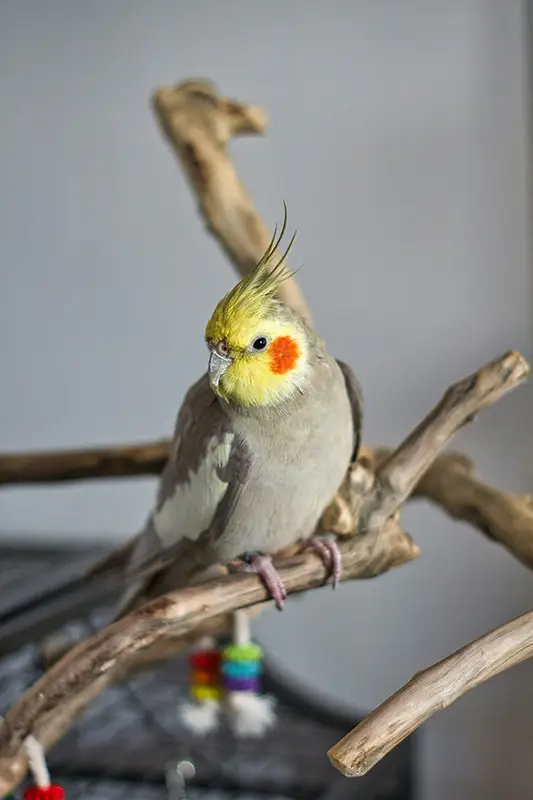
Choosing the Right Bird Perches for Polly’s Health and Happiness
At Academy Pet Hospital in Fayetteville NC, we love seeing our feathered friends thriving in
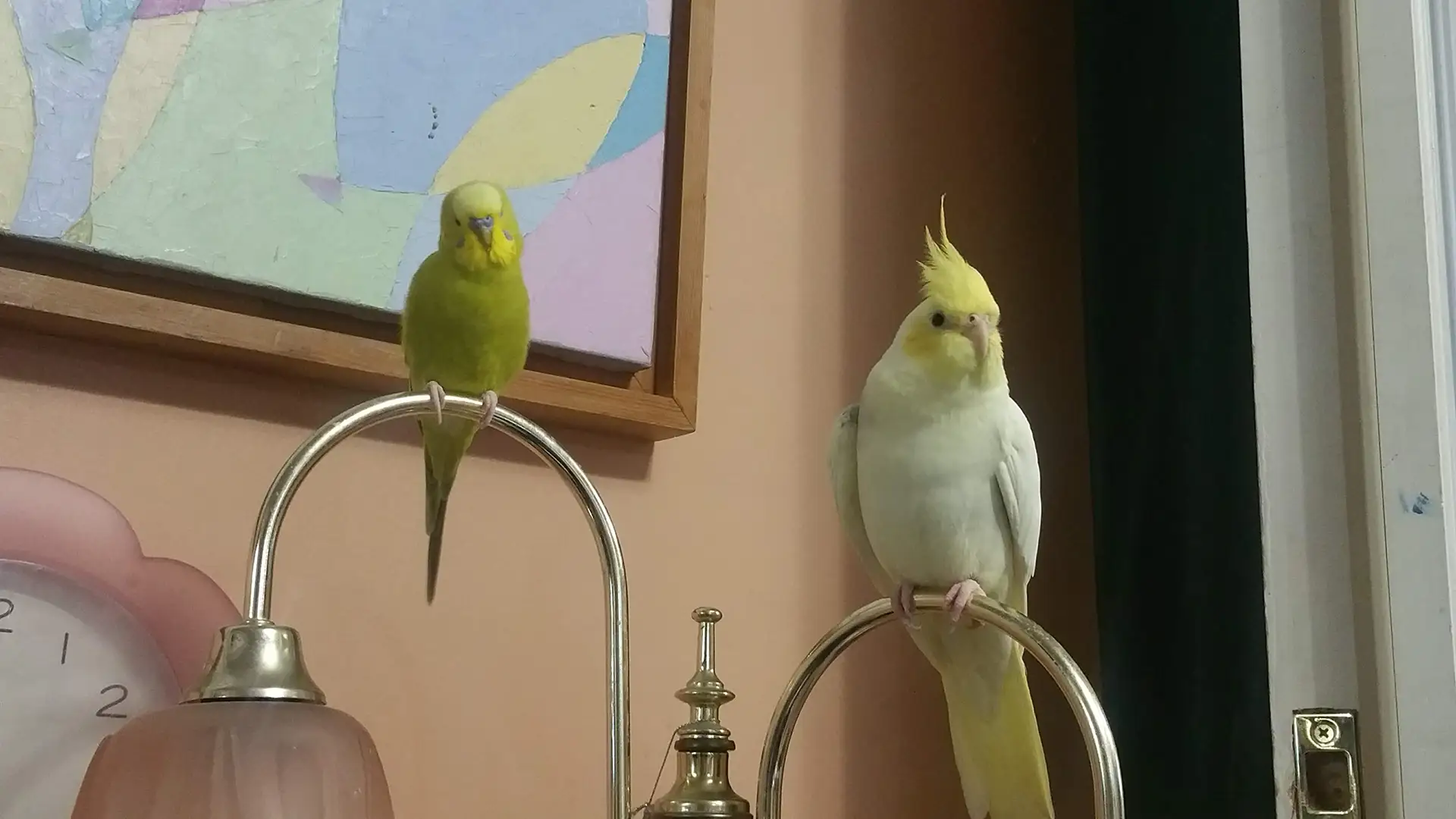
Top 10 Mistakes Bird Owners Should Avoid
Are you thinking about bringing a bird into your home? Are you already sharing your

Pet Allergy Management
Help Your Pet Beat the Itch Year-Round Did you know that pets can suffer from