Header Logo

Privately Owned & Operated
Cleaning Your Birdcage
June 15, 2018

Do you have a pet bird? Cleaning Polly’s cage isn’t the best part of having a bird, but it’s definitely necessary. You may want to break this task down into smaller chunks, which are easier to incorporate into your routine. Here, a Fayetteville, NC vet offers advice on cleaning your birdcage.
Daily Tasks
Some things need to be done every day. Remove and replace the cage liner. (Note: if you line the cage with layered pages of butcher paper or newspaper, you may only have to replace the top one.) Polly’s food bowl, water bottle or dish, and birdbath will also need to be washed. Use hot water and soap, and rinse well. Dry your pet’s things thoroughly before putting them back in the cage. Consider getting two sets of dishes, so one can be in use while the other gets cleaned. We recommend stainless steel, as it’s durable and, if kept clean, won’t harbor bacteria.Weekly
Polly’s perches should be cleaned and disinfected once a week. Use hot, soapy water, and put them in the oven to dry. An hour at about 200 degrees should do it. You can use a pet-safe disinfectant instead of oven drying. Make sure everything is dry before putting it back in the cage. You’ll also want to clean your pet’s toys and scrub the cage doors, gate, and floor. Last but not least, sweep or vacuum beneath the cage. (Note: if Polly is particularly sloppy, this may need to be done more than once a week.) When you put everything back, change your pet’s toys and perches around to keep things fun for her.Monthly
Once a month, you’ll need to do a deep cleaning, and scrub and disinfect the entire cage. Remove old seeds or droppings, then use sandpaper, an old toothbrush, or a scrub brush to completely scrub, wash, rinse, and disinfect the entire cage. You’ll also need to wash the cage apron, as well as the playtop, if you have one.Tips
When you clean Polly’s cage, look for signs of illness, such as uneaten food, regurgitated food, and/or changes in the amount, color, or texture of her droppings. You’ll also want to check for any sharp edges. Even something as seemingly innocuous as a splinter can cause problems for our feathered pals! Please contact us, your local Fayetteville, NC pet clinic, anytime. We’re here to help!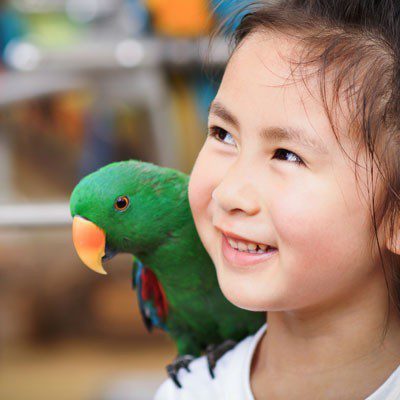
Keeping Your Pet Bird Healthy
Did you know that November 6-12th is Bird Health Awareness Week? Our fine feathered friends

Keeping Your Hamster Safe
Has a hamster recently joined your household? Congratulations! These adorable little furballs are quite charming,

When Should You Board Your Dog?
Dogs have well-earned the honorary title of Man’s Best Friend. Fido’s love, loyalty, and devotion
Things That Annoy Your Cat
If there’s one thing we can say for sure about cats, it’s that these cute