Header Logo

Privately Owned & Operated
Arthritis In Cats
July 15, 2022

Does your cat seem stiff and sore lately? If so, there’s a chance that your feline pal has arthritis. This debilitating condition affects a whopping 80 percent of kitties over the age of ten. A Fayetteville, NC vet discusses arthritis in kitties below.
Basics
Arthritis happens when the soft tissues that connect Fluffy’s joints start to wear thin and lose elasticity. This causes her bones to rub together, causing pain and limiting her movement. Arthritis can be caused by several different things. It’s often something that develops naturally as cats grow older. However, genetics can also play a role, as can past illness or injury. In some cases, abnormalities in a kitty’s bone structure may be the culprit. Obesity may also increase the risks.Signs
Kitties are absolute masters at hiding signs of sickness. You may not realize that anything is wrong with Fluffy at first, as the early indications are often quite subtle. As her condition progresses, you might notice Fluffy limping or moving stiffly. She may lose interest in play, and become less tolerant of being picked up or held. Some cats will lick or nibble at sore spots, or flinch, bite, or even hiss when those areas are touched. Your furry pal may also seem cranky and/or withdrawn. In some cases, you may also notice unkempt fur.Treatment
Arthritis can’t be cured, unfortunately. However, there are treatments that can reduce Fluffy’s pain, increase her mobility, and just generally help her feel better. Medication, acupuncture, and laser therapy can all be beneficial. Your vet may also recommend certain supplements. Fish oil, for instance, can help with lubricating stiff, painful joints. Ask your vet for specific advice.Home Care
Good home care is also very important. Set out pet ramps or stairs to help your feline buddy climb up to her favorite kitty perches. Fluffy will also appreciate having lots of soft, comfy napping spots. In winter, she may enjoy thermal or heated beds or tunnels. It’s also important to keep your furball at a healthy weight. Any extra weight will put additional strain on your furry friend’s bones and joints. It will also make it harder for your cute pet to run and play, which can cause muscle atrophy and more weight gain. Do you have questions or concerns about caring for an arthritic kitty? Contact us, your local Fayetteville, NC animal clinic, today.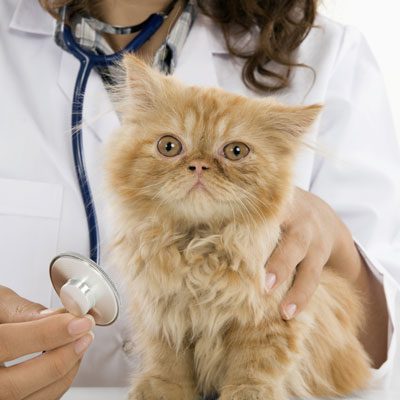
Cats and Anxiety
Has your Fayetteville NC cat been acting strangely? If your vet has checked your feline
5 Reasons to Choose a Bird for Your Family Pet
When people use the term “pet”, they’re often referring to traditional four-legged critters, like dogs

7 Reasons Your Kitty Isn’t Using the Litterbox
Cats make excellent additions to any family, but when they’re avoiding the litter box and

6 Reasons to Consider Pet Insurance
Your pet is a part of the family, and you would do anything to keep