Header Logo

Privately Owned & Operated
How to Care for Your Bird’s Beak
October 15, 2014

Imagine if your bird didn’t have his beak—he wouldn’t be able to eat, climb, chew, communicate, and much more! As such, it’s important to keep this important part of your bird’s anatomy healthy. Learn how below from a Cumberland County vet.
Regular Beak Trims
Regular beak trims are essential for keeping the beak from becoming too sharp and long. Most vets recommend taking your bird to an avian professional or veterinarian, but some bird owners can safely perform the trims at home. Ask your veterinarian for more information, and make an appointment if your bird’s beak needs blunting.Conditioning Perch
A conditioning perch is a staple of almost every bird cage. It’s a small device made of pumice, clay, concrete, or other materials and is used to keep your bird’s beak clean and give your pet a place to perch. Birds rub their beak against it, removing detritus. These items are available for purchase in pet supply stores, retail outlets, and vet’s offices.Chew Toys
Great chew toys are good for a lot of things—they keep your bird entertained, provide an outlet for frustrations, and help keep the beak blunted a bit! Switch your bird’s toys in and out periodically so he doesn’t get bored with the same old thing. Your vet can recommend a few good toy choices for your bird to try.Great Diet
Of course, a quality bird diet is essential for every part of your bird’s body, including the beak. Make sure you’re giving your bird a premium pellet food, supplemented regularly with fresh veggies and fruits. Consult your vet for a list of bird-safe fruits, vegetables, grains, and other foods.Consistent Veterinary Visits
Keeping regularly-scheduled veterinary appointments is the best way to ensure that your bird’s beak health—and overall well-being—remain in tip-top condition. Make an appointment with your Cumberland County vet’s office today!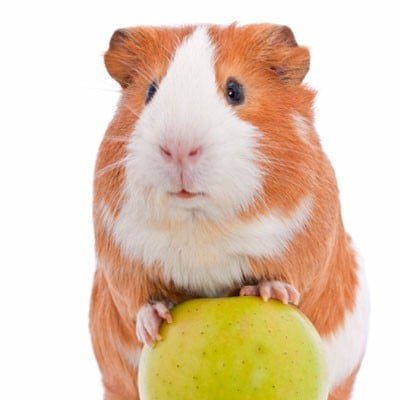
Adopt a Rescued Guinea Pig Month
Did you know that March is Adopt A Rescued Guinea Pig Month? Guinea pigs can
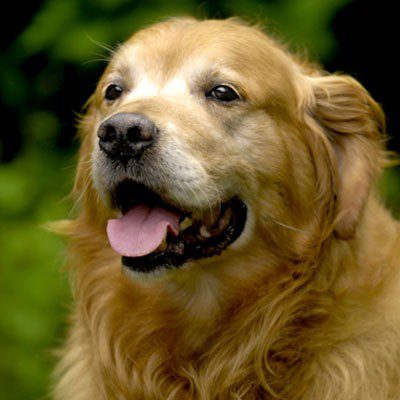
5 Foods You Should Never Feed Your Dog
There are many human foods that aren’t good for our canine companions—it’s likely that you
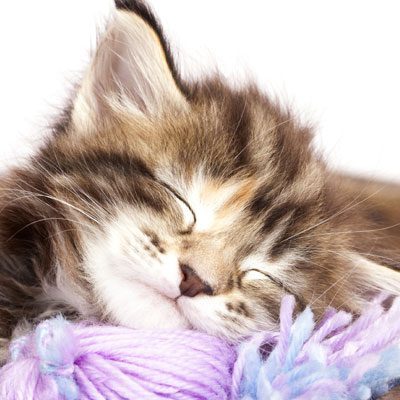
Gadgets for Your Cat
Our feline pals apparently have quite a few fans in the technology sector. Every year,

Winter Care for Senior Dogs
Is your dog aged six or older? If so, Fido may be approaching—or already in—his