Header Logo

Privately Owned & Operated
Poison Ivy and Pets
May 15, 2020

For humans, one of the bad parts about spending time outside during warm weather is the risk of coming into contact with poison ivy, oak, or sumac. Did you know that these plants can also affect our pets? It’s not extremely common for pets to develop a reaction to poison ivy, but it’s entirely possible. Read on to find out more.
How to Spot Poison Ivy
When you know how to spot poison ivy, oak, or sumac, you can do your best to avoid it for yourself and your pet. Poison ivy and poison oak have sets of three shiny leaflets—remember the simple rhyme “leaves of three, let them be.” Poison sumac usually grows in swampy or bog-like areas, so you’re more likely to encounter it near a body of water. Sumac plants have clusters of leaflets, so the three-leaf rule doesn’t really apply. No matter what kind of plants grow in your local area, you can try to avoid any trouble by keeping your pet away from shrubbery and thick forested areas when you’re outdoors.Symptoms in Pets
It turns out that our pets are far less likely to experience a reaction to poison ivy, oak, or sumac than we are, and for one simple reason. They’re covered in fur, which largely blocks the irritating agent—an oil called urushiol—from reaching their skin. It is possible, though, for your pet to develop a rash on exposed areas of skin that aren’t completely covered in fur. The main sign is, of course, a red, bumpy rash, and you’ll probably see your pet scratching or biting intensely at the itchy area. It’s possible for blisters to appear if the problem persists.Treating Poison Ivy Rashes
If your pet suffers a rash caused by poison ivy, oak, or sumac, you’ll want to bathe them with a pet-safe oatmeal shampoo. (Make sure not to get any in your pet’s mouth or eyes.) That is usually enough to get rid of the urushiol substance and help your pet feel more comfortable, but let your vet know if your pet is still itchy. And remember to wear gloves while bathing your pet so that you don’t get any of the irritating substance on your own skin. If you suspect your pet is itching because of contact with poison ivy, oak, or sumac, let your veterinarian know. We’re always here to help!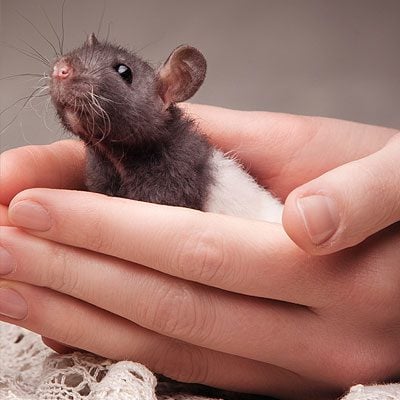
Pocket Pet Health: Warning Signs You Should Know
Even small pets have big health needs. Pocket pets like Guinea pigs, hamsters, rabbits, and
Destructive Dog Behavior: Causes and How to Fix It
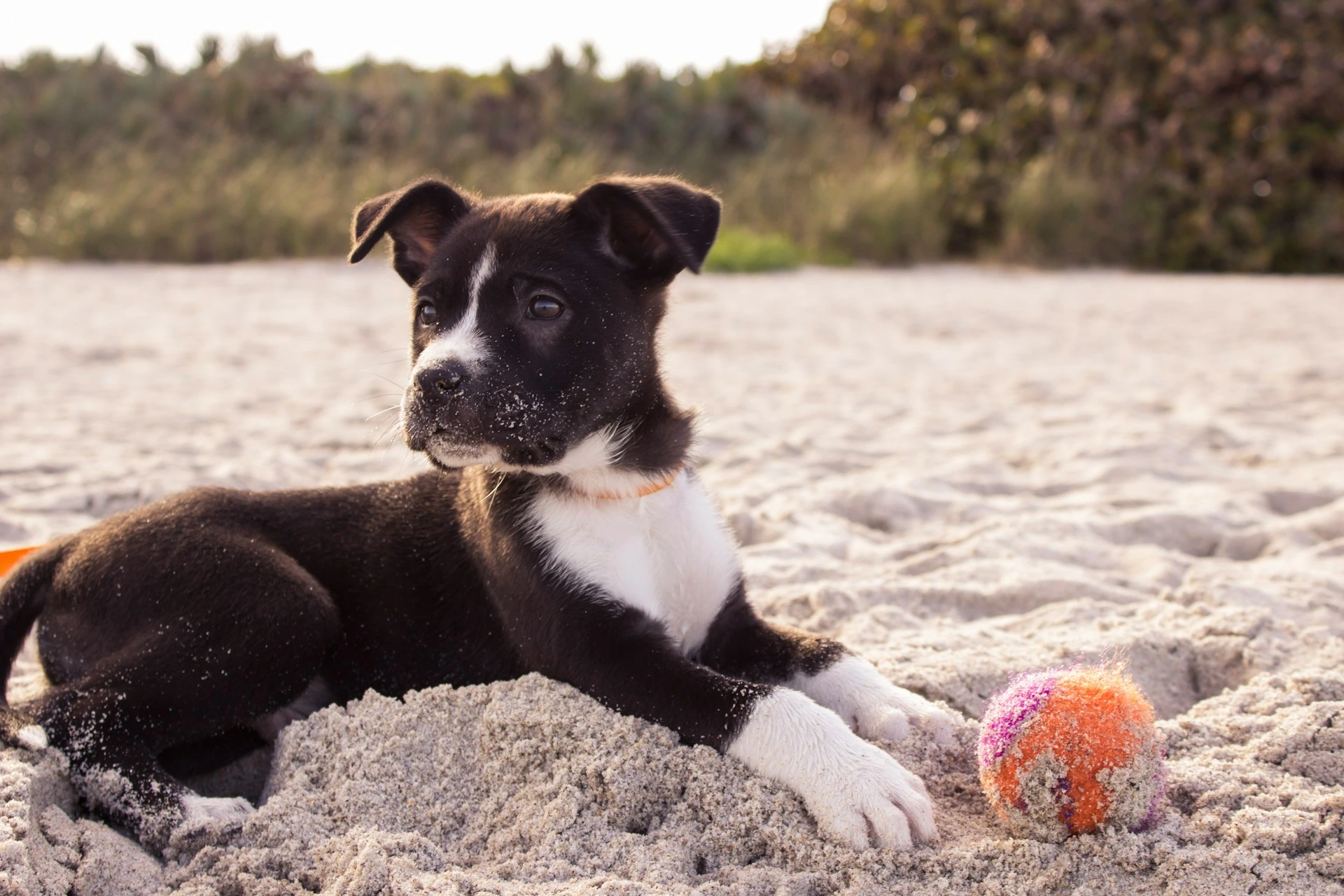
Is your pup chewing shoes, digging in the yard, or tearing up furniture? Destructive behavior
Medical Grooming: When Grooming is Part of Pet Health
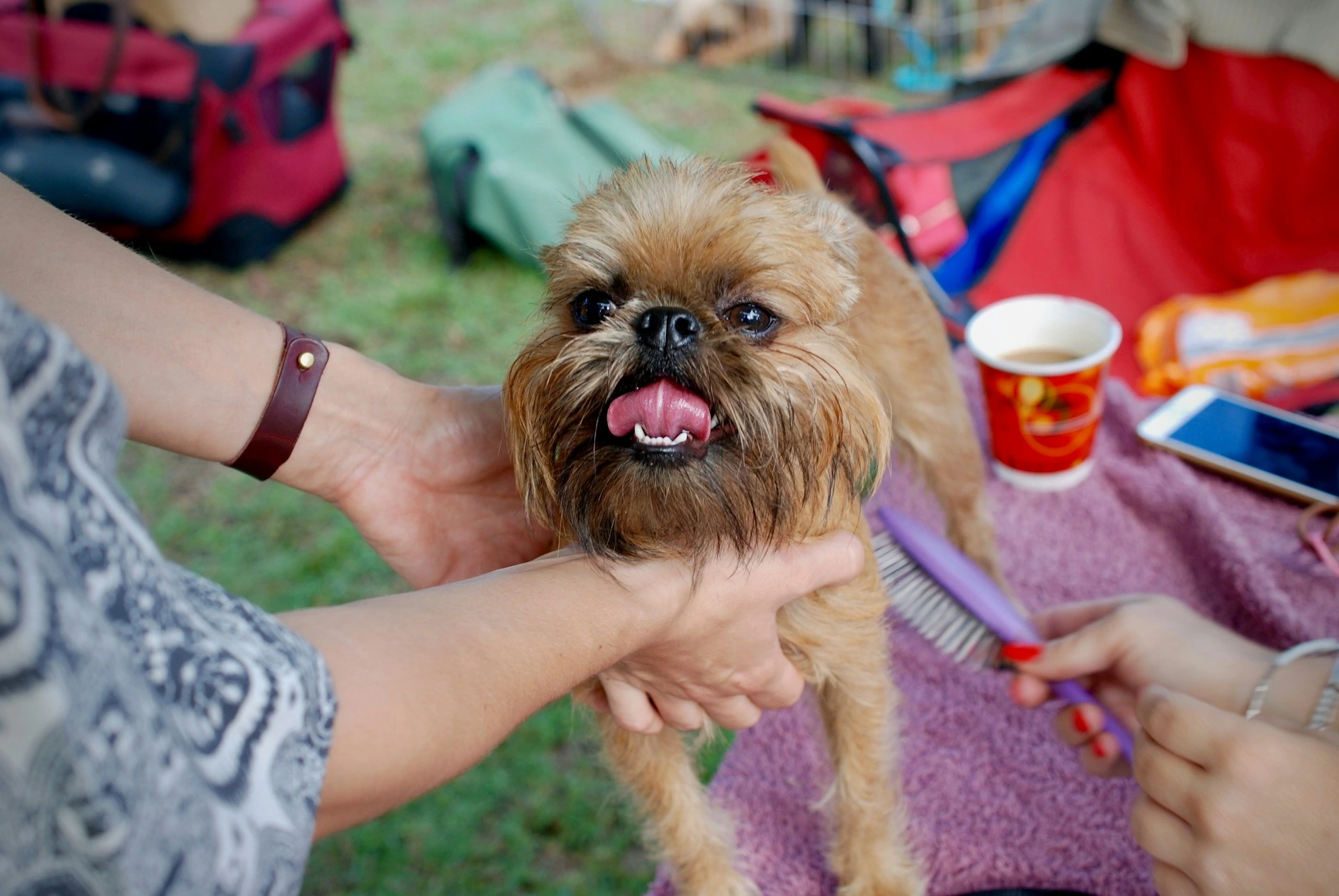
Did you know that grooming can be part of your pet’s medical care? Medical grooming
Grooming Your Dog or Cat: Tips for Home Care
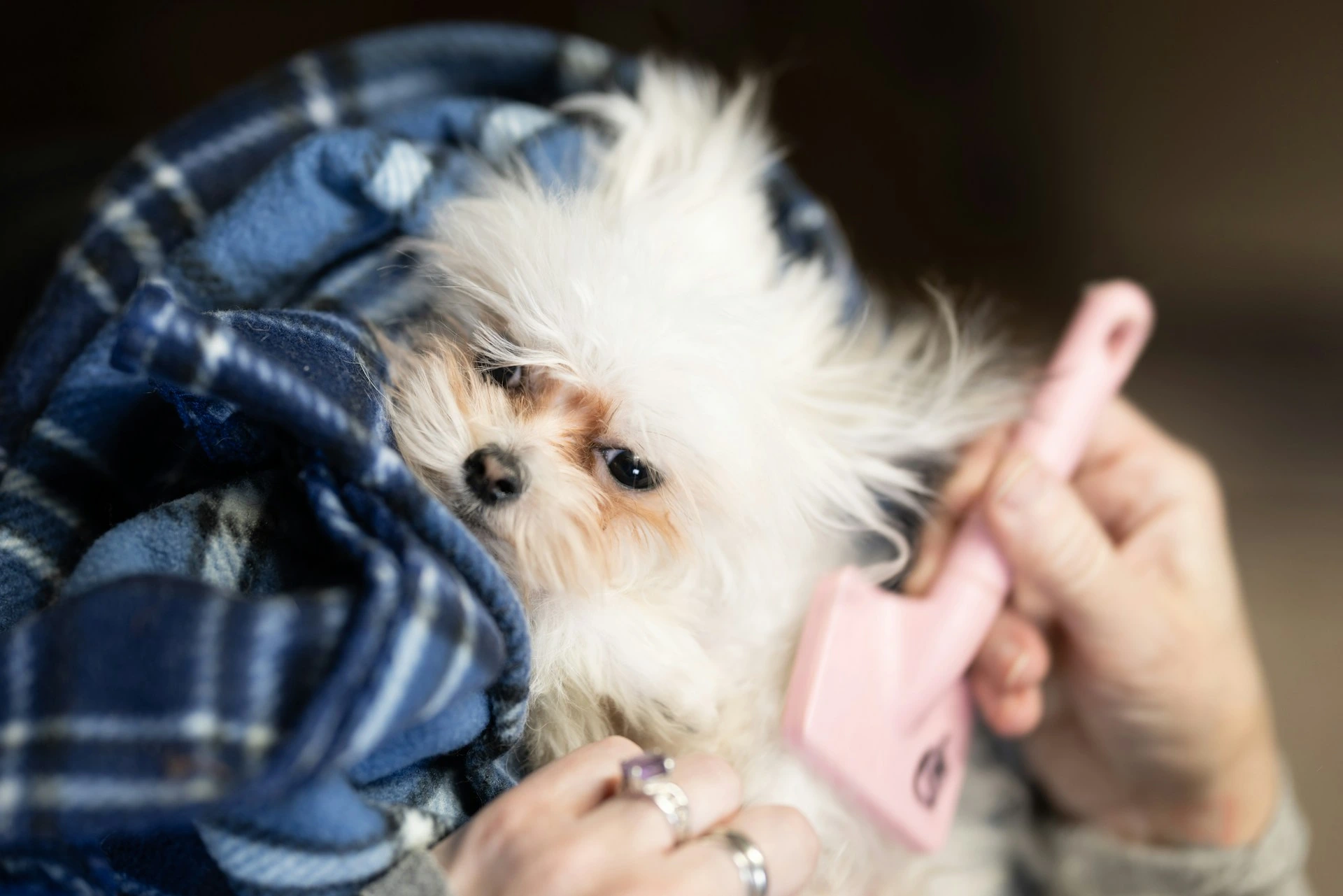
Keeping your dog or cat clean is more than a cosmetic task; it’s an essential