Header Logo

Privately Owned & Operated
Understanding Your Dog’s Aggressive Behavior
February 1, 2015

Your adopted retriever mix Lance wrote the book on “Jekyll and Hyde” canine personalities. Generally, Lance is a good-natured pooch who loves people and most other dogs; and he even gets along well with your ancient cat Jax who barely tolerates anyone. However, Lance’s darker side occasionally rears its head, and he shows some disturbing signs of aggressive behavior. You’ve asked your veterinarian from Fayetteville NC to give Lance some old-fashioned behavioral counseling. Read more about dogs’ aggressive behavior.
Unwelcome Aggressive Antics
You’ve seen Lance engage in aggressive behavior, and he’s downright intimidating to watch. Lance stops wagging his tail and smiling; and he stands rooted to the ground like a statue. Even though Lance’s head and tail are perfectly still, he’s still able to curl his lips and bare his teeth. And while Lance has been with you for three years, this scary-looking dog glares at you with no sign of recognition.Poor Socialization is the Culprit
While it’s hard to believe, Lance’s aggression could have resulted from inadequate puppyhood socialization. When Lance was 3 weeks to 14 weeks old, his owner or breeder should have provided this impressionable young dog with lots of exposure to other dogs and people. When Lance turned 14 weeks old, he probably morphed into an irritable teenager who began to exhibit protective behaviors. If Lance wasn’t well socialized before those behaviors emerged, it might be difficult to fully trust him in situations involving other dogs and/or humans.Undesirable Living Environment
You don’t think Lance’s pre-foster care environment was very positive. While you’re not sure about the details, maybe Lance lived on a chain outside. If Lance was permitted inside, he might have lacked human contact, including affection. Lance might have been hounded by children, treated roughly by his owner, or even attacked by an aggressive dog without warning. Any – or all – of these factors might have contributed to Lance’s aggressive behavior.Diverse Aggressive Breeds
You might expect protective-breed dogs to have a natural sense of aggression. For example, you’d give plenty of respect to Rottweilers, Doberman Pinschers, and Akitas. However, smaller dogs can also show aggressive tendencies. West Highland White Terriers and Cairn Terriers are among the cutest dogs around; however, these no-nonsense little pooches were initially bred for small game hunting. Or, if you encounter a female dog in heat or nursing puppies, or an egotistical intact male, you’ll likely be faced with the same aggressive behavior. After your Fayetteville NC vet draws conclusions from Lance’s background and aggression history, the vet will design a strategy to replace Lance’s aggressive antics with more socially acceptable behaviors.
Getting Fido Ready For Winter
Love it or hate it, winter is just around the corner. Some of our canine
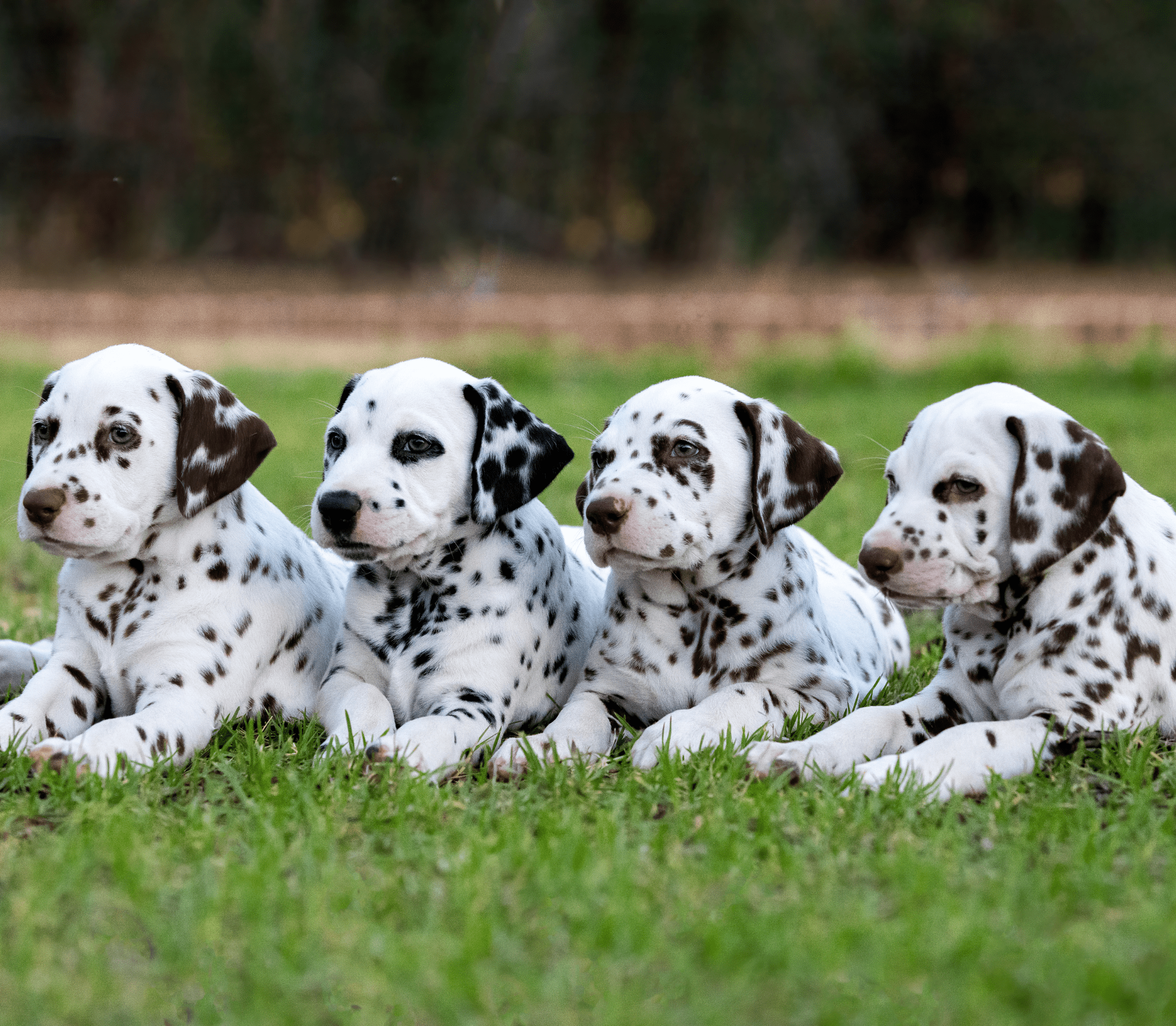
Celebrating The Dalmatian On Fire Pup Day
Today, October 1st, is officially National Fire Pup Day! As you may know, the breed
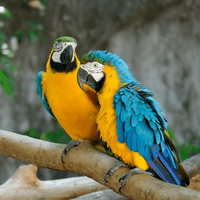
Caring For A Macaw
Pet Bird Day is September 17th! One of the most beloved and charismatic birds is
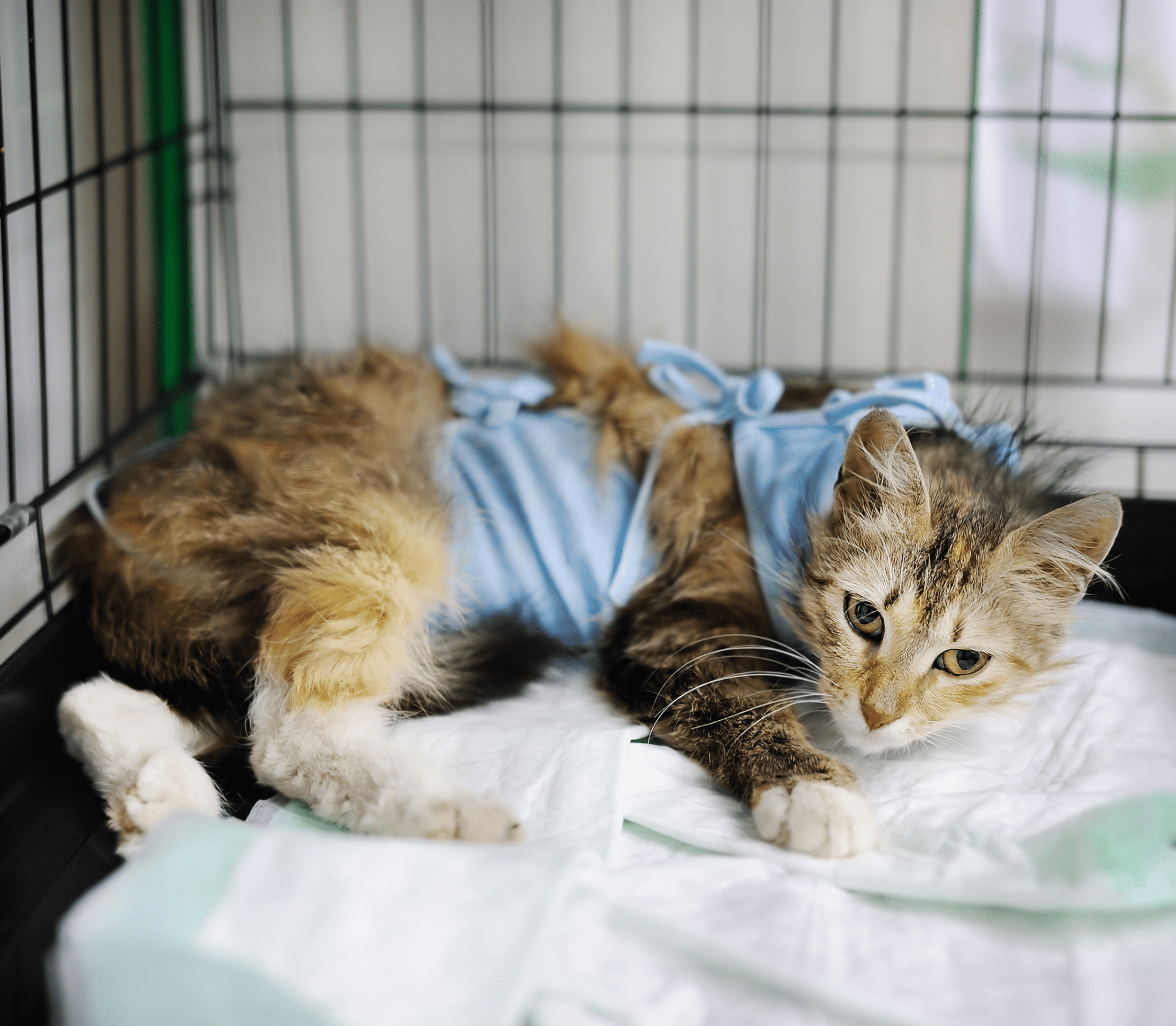
Kitten Hazards For Fall
Our animal companions are all very cute and charming, but they are never as adorable