Header Logo

Privately Owned & Operated
How to Protect Your Rabbit from Fleas
February 15, 2015

Fleas are notorious for infesting dogs and cats, but did you know that these pesky parasites can also attack rabbits? Fleas are far more than just a nuisance. These annoying hitchhikers can not only make your bunny horribly itchy, they can also spread disease and other parasites, such as tapeworms. Severe infestations can also cause your pet to become anemic! In this article, your local veterinarian Cumberland County goes over some basic facts about rabbits and fleas.
Basics
Rabbits can carry two kinds of fleas. The first is the basic cat flea. As the name suggests, this is the kind of flea you mind find on a kitty. Rabbits are also susceptible to the rabbit flea. Both types of fleas can multiply at an alarming rate: female fleas can lay up to 50 eggs in a single day!Flea Control Products
While you may hear that flea control products made for cats are safe for rabbits, this isn’t always the case. Flea collars in particular should always be avoided. Rabbits can easily slip these collars off, and may end up chewing the collars and ingesting the poisons meant for fleas. We definitely don’t want that! Powders and drops can be risky as well, because some of these products can be too strong for bunnies. Ask your vet for specific recommendations about flea control products for your furry friend.Combing
One of the best things you can do to control flea infestations is to groom your bunny using a special flea comb. Start slowly, so that your rabbit stays relaxed, and follow each session with a treat. Your pet might love being groomed! While you’re combing out your little furball, keep a close eye out for fleas. These horrible bugs can be hard to spot in your bunny’s fur, so check for flea droppings instead. Flea waste often looks like dark brown specks.Environment
It’s impossible to control fleas without treating the environment. Even if your pet doesn’t have fleas, taking preventive measures in your home will reduce the chances of Peter getting them. Vacuum regularly, wash your furry pal’s bedding, cage, and toys, and clear out debris piles from your yard. Do you have any questions about your rabbit’s care or behavior? Please contact us any time we can assist. As your local vet clinic Cumberland County, we are here to help!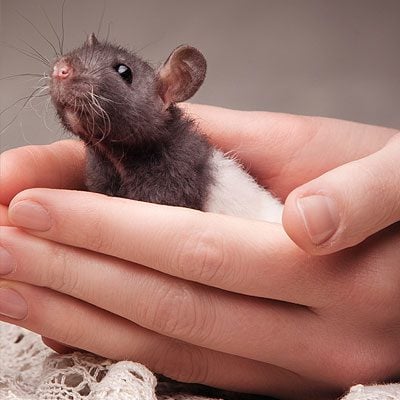
Pocket Pet Health: Warning Signs You Should Know
Even small pets have big health needs. Pocket pets like Guinea pigs, hamsters, rabbits, and
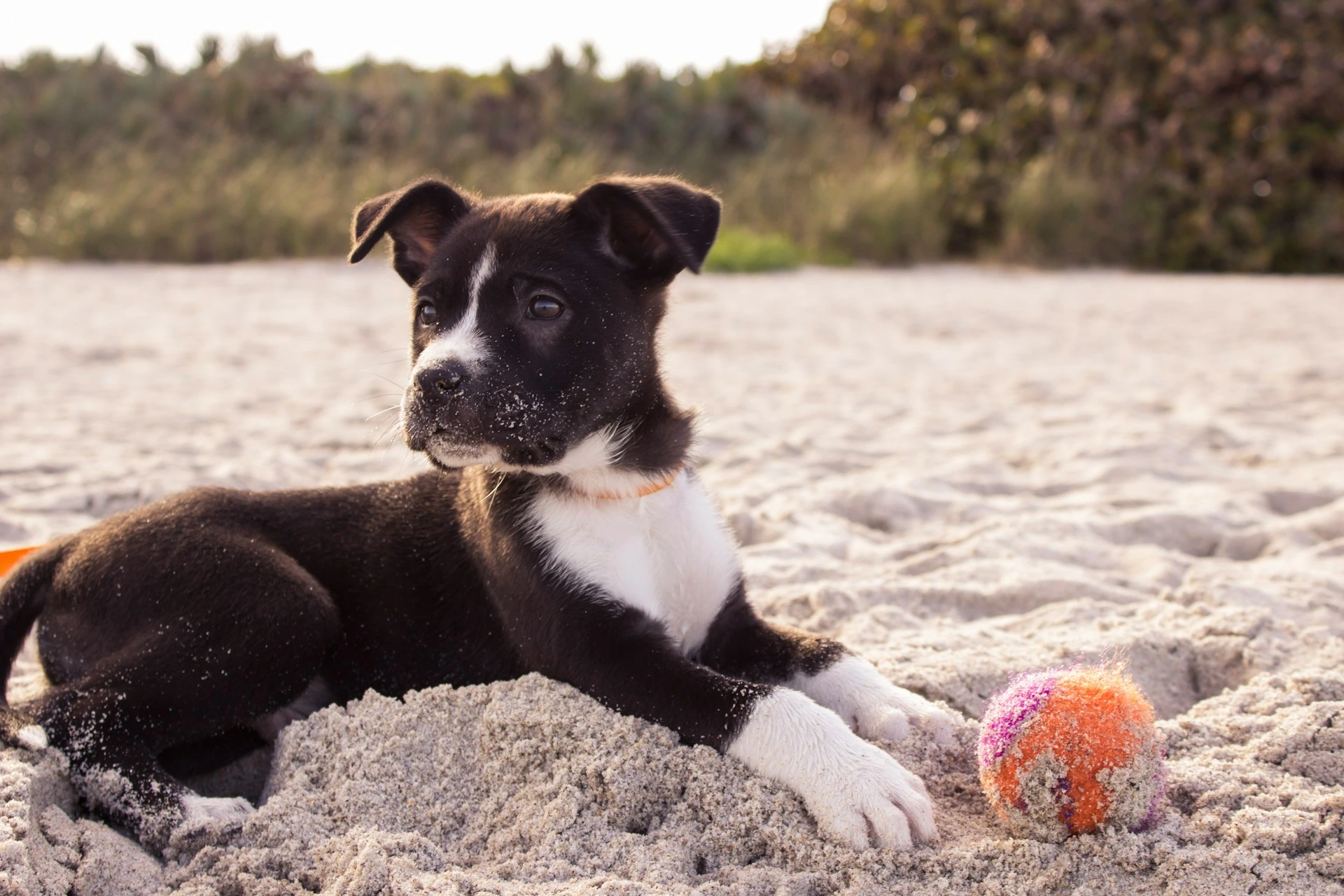
Destructive Dog Behavior: Causes and How to Fix It
Is your pup chewing shoes, digging in the yard, or tearing up furniture? Destructive behavior
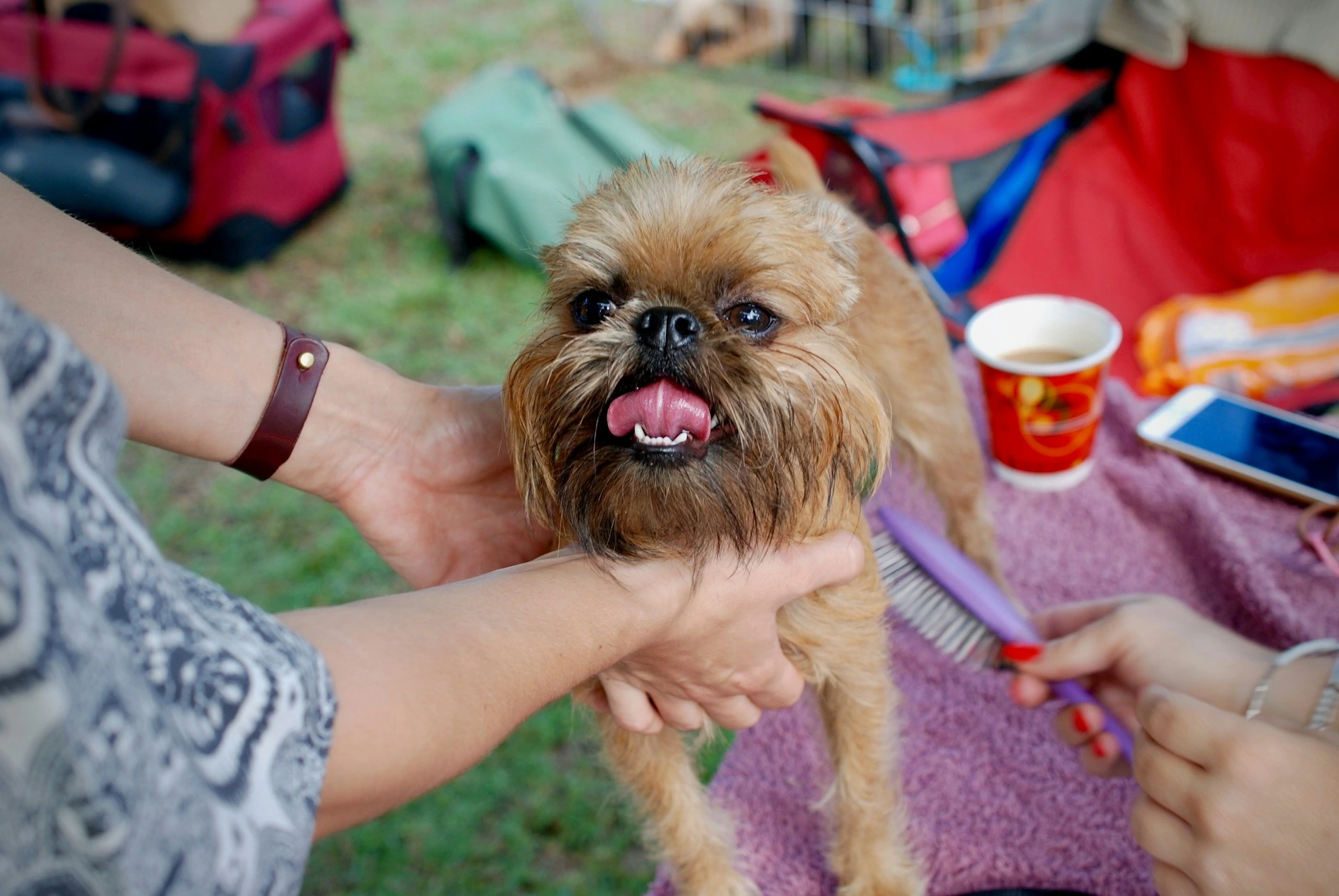
Medical Grooming: When Grooming is Part of Pet Health
Did you know that grooming can be part of your pet’s medical care? Medical grooming
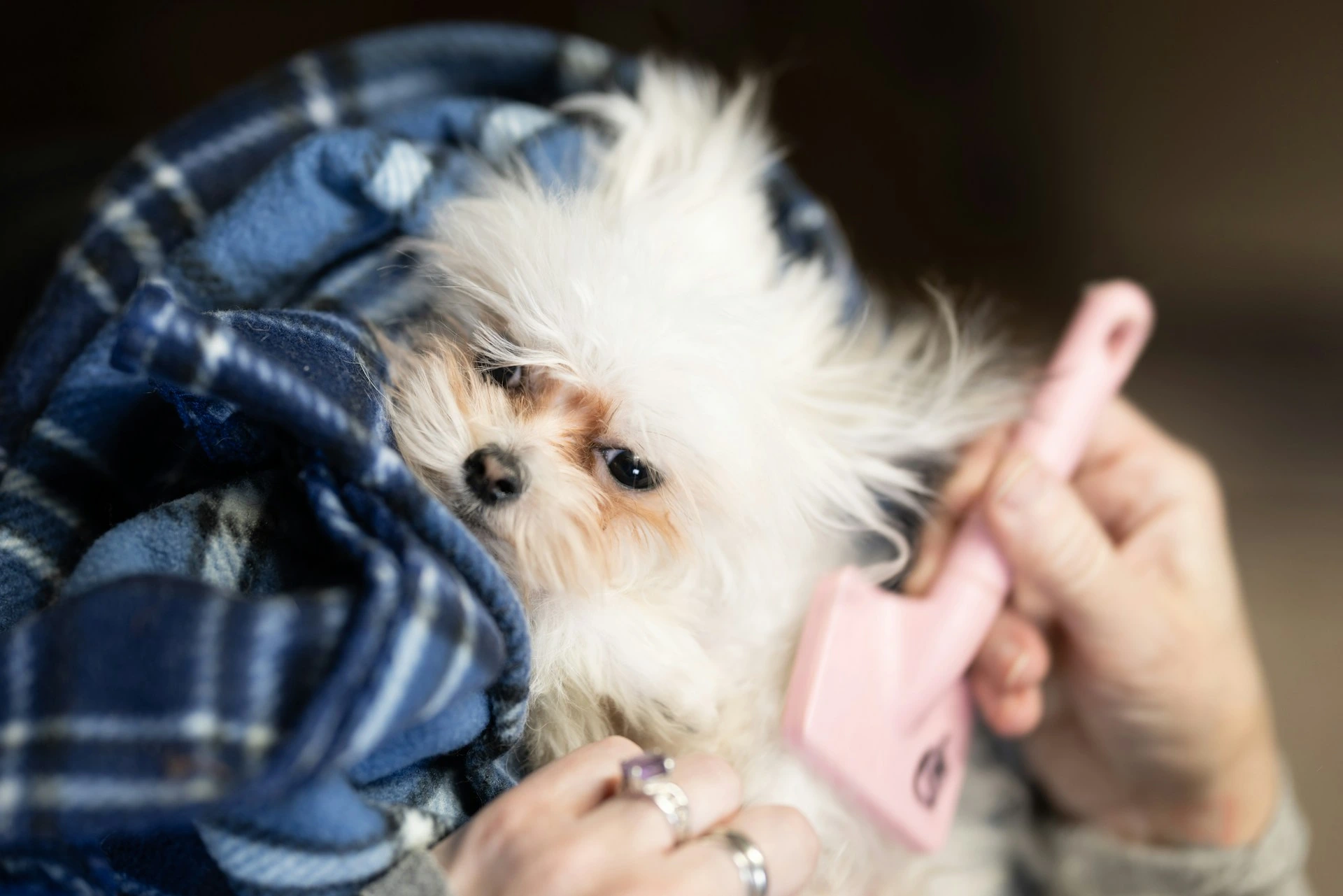
Grooming Your Dog or Cat: Tips for Home Care
Keeping your dog or cat clean is more than a cosmetic task; it’s an essential