Header Logo

Privately Owned & Operated
Meet The Winter White Dwarf Hamster
April 1, 2022

April 12th is World Hamster Day! These little balls of fur are very popular children’s pets, but they are also a good match for anyone without a lot of space or time. While you may find several types of hamster in your local pet store, we’re focusing on one of the tiniest ones: the Winter White dwarf hamster. A Fayetteville, NC vet offers some information on this tiny but adorable pet below.
Names
The Winter White dwarf hamster’s official scientific name is Phodopus sungorus. The name is almost longer than he is! However, he is also referred to by several other names: Russian dwarf hamster, Djungarian hamster, striped dwarf hamster, Siberian hamster, or Siberian dwarf hamster. Hammie also sometimes gets mixed up with another dwarf hamster, the Campbell’s dwarf hamster. To make things even more confusing, the names Russian dwarf and Djungarian are sometimes used interchangeably between the Winter White and Campbell’s. (We’ll just go with Hammie for now.)Features
Hammie’s most distinguishing features are his size (or lack thereof) and the fact that his coat turns white in winter. This camouflage helped him escape predators in the wild. Pet hamsters may not change colors as dramatically as their wild cousins do, but you may see some lightening. As far as size goes, these guys are some of our smallest patients: they rarely grow past 3 inches long!Origins
Winter White dwarf hamsters are originally from Siberia, Mongolia, Kazakhstan, and Manchuria, where they inhabited fields, meadows, and birch stands. However, they also live in semi-arid areas in Central Asia.Winter
Winter white dwarfs originated in colder climates. Like many other pocket pets, they build burrows in the wild. Hammie has a pretty cute way of hunkering down for winter. He will build tunnels that are three feet deep, and then add six entrances. In summer, these are moss-lined. In winter, the hamster will close all of the openings except one, and bring in fur or wool for additional warmth.Care
Like other pets, Hammie needs a suitable habitat, a good diet, and fresh water. Ask your vet for specific care advice, including tips on habitat setup, toys, and diet. It’s worth noting that these guys are escape artists. Make sure your pint-sized pal’s habitat is secure and escape-proof! Do you have questions about hamster care? Contact us, your local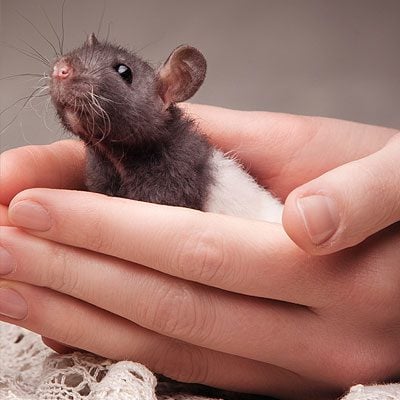
Pocket Pet Health: Warning Signs You Should Know
Even small pets have big health needs. Pocket pets like Guinea pigs, hamsters, rabbits, and

Destructive Dog Behavior: Causes and How to Fix It
Is your pup chewing shoes, digging in the yard, or tearing up furniture? Destructive behavior

Medical Grooming: When Grooming is Part of Pet Health
Did you know that grooming can be part of your pet’s medical care? Medical grooming

Grooming Your Dog or Cat: Tips for Home Care
Keeping your dog or cat clean is more than a cosmetic task; it’s an essential