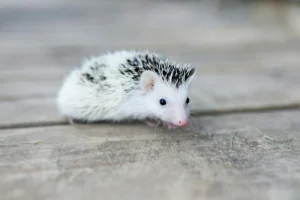

Even small pets have big health needs. Pocket pets like Guinea pigs, hamsters, rabbits, and ferrets often hide signs of illness until it becomes serious. At Academy Pet Hospital in Fayetteville, NC, our veterinarians emphasize the importance of monitoring pocket pet health and recognizing early warning signs.
In this blog, we’ll discuss common symptoms of illness in small pets, what to watch for at home, and when to schedule a veterinary visit.
Why Pocket Pets Hide Illness
Small mammals instinctively conceal signs of sickness or weakness to avoid predators. While this behavior is natural, it makes it challenging for owners to detect illness. Subtle changes in behavior, appetite, or grooming may indicate serious health problems.
We recommend close observation and regular wellness checks to prevent minor issues from becoming emergencies.
Common Pocket Pet Health Warning Signs
Appetite Changes
A sudden drop in food or water intake can indicate illness. Even a short period without eating can be dangerous for small pets due to their high metabolism.
Behavior Changes
Lethargy, reduced interaction, hiding more than usual, or changes in vocalizations may signal illness or stress.
Grooming or Coat Issues
Overgrooming, matted fur, or unkempt appearance can indicate pain, stress, or underlying disease.
Physical Signs
- Swelling, lumps, or abscesses
- Discharge from eyes, nose, or ears
- Labored breathing or sneezing
- Diarrhea or abnormal droppings
Early recognition of these signs allows prompt veterinary care.
Environmental and Stress Factors
Stress from loud noises, sudden changes, or improper housing can exacerbate health issues. Ensuring a safe, enriched environment supports overall well-being.
Monitoring Your Pocket Pet’s Health
Regular handling, observation, and recording behaviors help detect subtle changes. Our Fayetteville veterinarians encourage maintaining logs of feeding, elimination, and activity patterns for early intervention.
The American Animal Hospital Association has an article about whether a pocket pet is the right pet for you. Click here to read it. PetMD also has a great article on hamster care here.
FAQs About Pocket Pet Health
How often should I schedule checkups for my pocket pet?
Annual wellness exams are recommended. More frequent visits may be necessary for young, sick, or geriatric pets.
What should I do if my pet stops eating?
Contact your veterinarian immediately. Small pets can deteriorate quickly without food.
Can I prevent illnesses in pocket pets?
Proper diet, clean housing, enrichment, and routine veterinary care reduce risk but cannot prevent all illnesses.
How do I recognize subtle illness signs?
Watch for changes in behavior, appetite, grooming, droppings, and respiratory patterns.
Are Guinea pigs and hamsters more prone to certain illnesses?
Yes. Guinea pigs require vitamin C supplementation, while hamsters can develop dental or digestive problems. Ask your vet for care advice.
Schedule an Appointment at Our Fayetteville Veterinary Clinic
Monitoring pocket pet health is crucial for early detection of illness and maintaining well-being. At Academy Pet Hospital in Fayetteville, NC, our veterinarians provide preventive care, dietary guidance, and treatment for small mammals. If you are searching for a “vet near me” for pocket pets, contact us today to schedule a visit.
This blog is intended for informational purposes only. Always consult your veterinarian for accurate diagnosis, medical advice, and treatment recommendations for your small companion.
Want to learn more about our animal clinic? Stop by our Service page here for an overview of what we offer. You can also read about our Alternative Medicine offerings here or our Wellness Care options here.