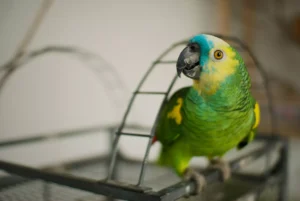

Do you have a pet bird? Polly is a wonderful companion. Providing proper nutrition for your feathered companion is key to their health and longevity. At Academy Pet Hospital in Fayetteville, NC, our veterinarians often see birds suffering from nutrient imbalances that can affect feathers, beak, and overall vitality. Understanding bird nutrition can help keep your parrot, cockatiel, or other avian friend happy and healthy.
In this blog, we’ll explore essential bird nutrition tips, including proper diet choices, supplements, and feeding practices. Following these recommendations can help your avian companion thrive and prevent common diet-related illnesses.
Why Bird Nutrition Matters
Birds have unique dietary requirements. Poor nutrition can lead to feather plucking, weakened immunity, and organ disease. Our Fayetteville veterinarians emphasize that a balanced diet is essential for energy, feather health, and longevity.
Many pet parents are unaware that seeds alone are not enough for most species. Supplementing with fresh vegetables, fruits, and formulated pellets offer a complete nutrient profile.
Essential Components of a Healthy Avian Diet
Pellets
High-quality pellets should make up a large portion of your bird’s diet. They provide balanced vitamins, minerals, and proteins tailored to the species. Pellets help prevent selective eating and nutrient deficiencies.
Fresh Fruits and Vegetables
Offer a variety of safe produce daily. Leafy greens, carrots, bell peppers, and berries are a few good options that supply essential vitamins and antioxidants. Wash thoroughly and chop into manageable sizes. Just stick with things that are safe for your feathered pal.
Seeds and Treats
Seeds can be included but should not be a bird’s main diet. They are high in fat and can lead to obesity if overfed. Use seeds primarily for enrichment or training rewards.
Protein Sources
Some species benefit from occasional protein sources, such as cooked legumes, boiled eggs, or tofu. Consult your veterinarian for species-specific recommendations.
Fresh Water
Always provide clean, fresh water. Change daily to prevent bacterial growth and maintain hydration.
Feeding Practices for Optimal Nutrition
- Feed small, frequent meals to mimic natural foraging.
- Rotate fruits and vegetables to provide variety and nutrients.
- Monitor intake to detect changes in appetite, which may indicate illness.
- Avoid avocado, chocolate, caffeine, and alcohol, which are toxic to birds.
Common Nutrition-Related Health Issues
- Feather plucking or poor feather quality
- Obesity and fatty liver disease
- Weak bones or beak abnormalities
- Digestive disorders
Routine wellness checks at Academy Pet Hospital in Fayetteville help detect diet-related problems early.
The Royal Society For The Prevention Of Cruelty To Animals has a good article on avian nutrition, which you can read here. Best Friends also has one that is specific to parrots, which you can find here.
FAQs About Bird Nutrition
What is the best diet for a parrot or cockatiel?
A combination of high-quality pellets, fresh fruits, vegetables, and occasional seeds is recommended.
Can seeds alone keep my bird healthy?
No. Seeds lack essential vitamins and minerals; they should be used in moderation.
How often should I offer fresh produce?
Daily servings of vegetables and fruits are ideal. Talk to your vet for info on how much and for a specific list of safe and unsafe foods.
Are supplements necessary?
Some birds may benefit from vitamin or mineral supplements. Of course, every pet is different. Consult your veterinarian.
When should I schedule a checkup for my bird?
Annual wellness visits are recommended. You should also contact your Fayetteville veterinary clinic if you notice changes in behavior, appetite, or feather quality.
Schedule an Appointment at Our Fayetteville Veterinary Clinic
Providing balanced bird nutrition is essential for a long, healthy life. At Academy Pet Hospital in Fayetteville, NC, our veterinarians offer guidance on diets, supplements, and enrichment to keep your avian friend thriving. Searching for a “vet near me” for bird care? Call us today to schedule a wellness visit.
This blog is for informational purposes only. Always consult your veterinarian for accurate diagnosis, medical advice, and treatment recommendations for your bird.
Want to learn more about our animal clinic? Stop by our Service page here for an overview of what we offer. You can also read about our Alternative Medicine offerings here or our Wellness Care options here.