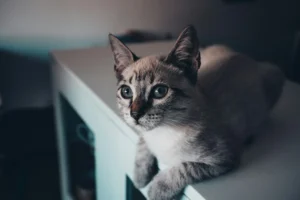

Have you ever come home to find your feline friend has launched your favorite mug off the table? At Academy Pet Hospital, our Fayetteville veterinarians have seen plenty of kitties with an inclination for, well, destruction. While it can be frustrating to watch your pet smack something onto the floor with that smug, superior look, it’s important to understand that this is another one of Fluffy’s many quirks.
This blog will explore the common reasons behind cat behavior, highlight potential stressors, and provide tips for managing mischievous antics so that your kitty and home remain happy.
Understanding Cat Behavior
Cats are naturally curious and playful. Nobody knows for sure why kitties love batting things onto the floor, but we have a few theories. The top one? Knocking objects off shelves or tables may be a way for your feline to communicate, demand attention, or even release pent-up energy. Usually, this behavior is a normal part of play and/or cattitude, but it can also indicate underlying stress, boredom, or anxiety.
Observing your cat’s daily routines and environment is key to understanding their behavior and preventing unwanted habits.
Why Cats Knock Things Over
Play and Hunting Instincts
Cats’ ancestors hunted small prey, and the act of pawing or swatting objects simulates hunting. A mug or a paperclip becomes a “target” to engage these instincts safely.
Attention-Seeking Behavior
If your feline pal notices that knocking items over results in attention—positive or negative—they may repeat the behavior to get noticed. Ensuring ample playtime and interactive engagement can reduce attention-driven incidents.
Stress or Anxiety
Changes in environment, new pets, or unfamiliar guests can make cats anxious. Knocking objects over is sometimes a coping mechanism. Providing hiding spots, vertical spaces, and a consistent routine can alleviate stress.
Boredom
Cats left alone for long periods may look for stimulation. Toys, puzzle feeders, and interactive play sessions help reduce boredom-related behaviors.
Managing Mischievous Cat Behavior
- Interactive Play: Use wand toys, laser pointers, or puzzle feeders to channel energy.
- Safe Exploration Areas: Provide shelves or cat trees for climbing and observing.
- Consistent Routine: Feed and play with your cat at regular times to reduce stress.
- Positive Reinforcement: Reward desired behavior with treats or attention instead of punishing mischief.
Observing patterns and using enrichment strategies helps cats engage their natural instincts in safe ways.
It’s important to differentiate between playful behavior and aggression. PetMD did an article about playing with Fluffy, which you can read here. The ASPCA has an article on aggression in cats, which you can read here.
FAQs About Cat Behavior
Why does my cat knock things off the counter?
It’s often play, hunting instinct, attention-seeking, or boredom. Providing toys and engagement helps redirect the behavior.
Can stress cause a cat to act out?
Yes, environmental changes, new pets, or disruptions in routine can trigger stress-driven behavior.
How can I safely discourage this behavior?
Avoid punishment. Instead, offer interactive toys, vertical spaces, and consistent attention.
Are certain breeds more prone to knocking things over?
Some active and curious breeds may display this behavior more often, but it can occur in any cat.
When should I consult a veterinarian?
If behavior changes suddenly or is accompanied by aggression, inappropriate elimination, or other concerning signs, contact your Fayetteville veterinary clinic.
Schedule an Appointment at Our Fayetteville Veterinary Clinic
Understanding your cat’s mischievous antics is essential for a harmonious home. At Academy Pet Hospital in Fayetteville, our veterinarians can provide guidance on cat behavior, stress management, and enrichment strategies. If you are searching for a “vet near me,” call us today to schedule a visit and keep your feline friend’s behavior and well-being on track.
This blog is for informational purposes only. Always consult your veterinarian for accurate diagnosis, medical advice, and treatment recommendations for your pet.
Want to learn more about our animal clinic? Stop by our Service page here for an overview of what we offer. You can also read about our Alternative Medicine offerings here or our Wellness Care options here.