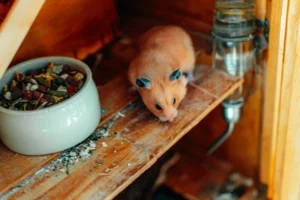

Pocket Pet Care Guide: Daily Habits for Healthy Pets
Even though they are small, your furry pals’ health is just as important as that of a dog or cat. Pocket pets, such as Guinea pigs, hamsters, rabbits, and ferrets, can hide illness until it becomes serious. At Academy Pet Hospital in Cumberland County, our veterinarians are happy to offer advice on pocket pet care to keep your teeny-tiny companions healthy and happy.
This guide highlights the essential daily habits for pocket pet care, from proper nutrition and exercise to cage cleaning and social interaction. By following these practices, you can help your small pet thrive and prevent common health issues.
Why Daily Pocket Pet Care Matters
Pocket pets have high metabolisms and delicate systems, making them very susceptible to illness if neglected. Daily monitoring allows you to detect subtle changes in behavior, appetite, or appearance. a structured care routine, including feeding, grooming, socialization, and environmental enrichment, can help maintain optimal health.
Consistent daily care also builds a strong bond between you and your furry pal. Spending even a few minutes a day observing, handling, and interacting with your pocket pet can prevent stress and encourage positive behaviors.
Essential Daily Habits for Pocket Pets
Feeding and Nutrition
Proper nutrition is the foundation of pocket pet care. Guinea pigs, for instance, require a steady source of vitamin C, while rabbits need high-fiber diets. Small pets should always have fresh water and hay available. Avoid sudden diet changes, which can upset delicate digestive systems.
Exercise and Enrichment
Regular exercise helps prevent obesity and encourages natural behaviors. Hamsters and Guinea pigs benefit from exercise wheels, tunnels, and safe playtime outside the cage. Our Cumberland County veterinarians also suggest puzzle toys and chew toys to promote mental stimulation.
Cage Cleaning and Hygiene
Clean cages prevent infections and unpleasant odors. Remove uneaten food and spot clean waste daily, and fully sanitize the cage weekly. This reduces the risk of respiratory and skin issues.
Grooming and Handling
Brushing your pocket pet’s fur and trimming nails (if appropriate) is essential. Daily gentle handling also helps your pet remain socialized and reduces stress during veterinary visits.
Monitoring Health
Observe for warning signs such as:
- Reduced appetite or water intake
- Lethargy or inactivity
- Changes in grooming habits
- Abnormal droppings
- Respiratory changes or sneezing
Early detection allows timely intervention at your Cumberland County veterinary clinic. If you notice anything unusual, even if it’s small, contact your vet.
Common Pocket Pet Health Issues
- Dental problems from overgrown teeth
- Gastrointestinal disturbances
- Skin or fur problems
- Respiratory infections
- Stress-related behaviors
Routine wellness visits with Academy Pet Hospital veterinarians help prevent serious illness and identify problems before they escalate.
The American Animal Hospital Association has an article about whether a pocket pet is the right pet for you. Click here to read it. Of course, every type of pet is different. Cavy lovers’ site Guinea Piggles has a good article on Guinea Pig behavior, which you can find here.
FAQs About Pocket Pet Care
What is the most important aspect of daily pocket pet care?
A great cage setup and a good diet are both crucial. Consistent observation and monitoring for changes in behavior, appetite, or appearance is also critical.
How often should I clean my pocket pet’s cage?
Spot cleaning should be daily, with full sanitization weekly.
Can Guinea pigs get sick quickly?
Yes. Guinea pigs and other small mammals can deteriorate rapidly if illness is not caught early.
How do I encourage my hamster to exercise?
Provide exercise wheels, tunnels, and supervised out-of-cage play in safe areas.
When should I schedule a veterinary visit for my pocket pet?
Any sudden changes in behavior, appetite, or appearance warrant a checkup.
Schedule an Appointment at Our Cumberland County Veterinary Clinic
Daily habits are essential for maintaining the health of your pocket pets. At Academy Pet Hospital in Cumberland County, our veterinarians provide guidance on pocket pet care, nutrition, enrichment, and preventive health. If you are searching for a “vet near me,” contact our clinic today to schedule a wellness visit and give your small companion the care they deserve.
This blog is intended for informational purposes only. Always consult your veterinarian for accurate diagnosis, medical advice, and treatment recommendations for your pet.
Want to learn more about our animal clinic? Stop by our Service page here for an overview of what we offer. You can also read about our Alternative Medicine offerings here or our Wellness Care options here.